Browse categories
Explore
Fiverr Pro
English
$
USD
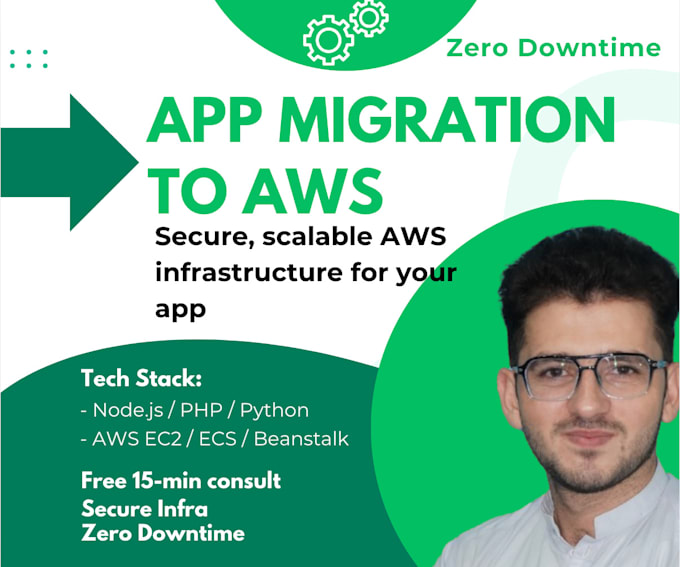
I help businesses migrate monolithic applications to scalable AWS microservices using EKS, Kubernetes, and Docker, with minimal risk and maximum performance.
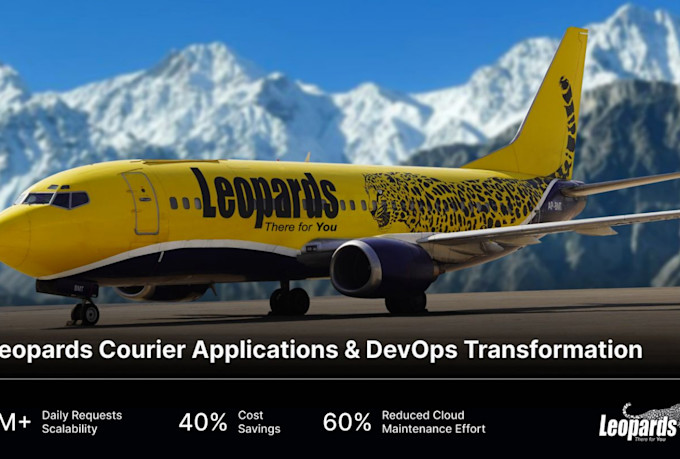
Real results from past projects:
My stepbystep migration approach:
I specialize in AWS EKS, Kubernetes, Docker, largescale database migrations, GitHub Actions/Jenkins CI/CD, Prometheus/Grafana monitoring, and productiongrade AWS architectures
From initial assessment to postmigration support, I provide endtoend DevOps consulting for AWS cloud migration so your team gets a reliable, scalable platform, not just a onetime lift and shift.


Will my application experience downtime during the migration?
I strive for zero to minimal downtime. I’ll work on the new AWS setup in parallel and only switch over once everything is tested. I also take a full backup before starting and never make changes to your live system until the final switch.Typically, any brief downtime (if needed at all) can off-peak.
What types of applications can you migrate?
I can handle most web applications. This includes Node.js backends, Python web frameworks, PHP sites (Laravel, WordPress), Java Spring Boot services, and static front-end apps. If your app is built in a different language or stack (Ruby, .NET, etc.), feel free to contact me.
What access or information do you need from me to get started?
I will need access to your current hosting and your AWS environment. Typically, that means: your Heroku/DigitalOcean login and credentials to your AWS account (IAM user) If you’re uncomfortable sharing login credentials, no problem – we can use a secure screen-share or remote access method
Do you set up CI/CD or monitoring as part of the migration?
In the Premium package, yes – I include setting up a CI/CD pipeline (using GitHub Actions by default, or another tool per your request) so that future deployments to AWS are automatic and smooth. I also configure AWS CloudWatch for basic monitoring (logs and uptime alarms)
Do you offer support after the migration?
Yes. I stand by my work and won’t leave you hanging. All packages include a short support window (e.g. a few days of assistance for any issues directly related to the migration). For the Premium package, I include up to a week of support to ensure everything is running perfectly
What documentation do you provide?
I provide detailed runbooks, scaling strategies, troubleshooting guides, and architecture diagrams. I also offer knowledge transfer sessions and can establish an SLA for ongoing support if needed.
What's your typical migration timeline?
Timeline varies based on complexity. A full migration typically follows a six-phase approach over 2-3 months: Planning, Risk Assessment, Application Redesign, Production Setup, Database Migration, and Post-Migration Optimization.
How do you handle large database migrations without disruption?
I use AWS DMS for seamless transitions with continuous replication to maintain data consistency. This approach includes integrity validation and gradual traffic shifting to ensure zero downtime during migration.
What challenges can your migration approach solve?
My approach solves three key issues: scaling difficulties, inefficient resource utilization, and downtime risks. By implementing microservices on AWS with Kubernetes, we address these while providing future flexibility.
How do you ensure application performance?
I implement monitoring with Prometheus and Grafana to track application health throughout migration. After migration, I conduct performance tuning and load testing to identify and address potential bottlenecks.