Browse categories
Explore
Fiverr Pro
English
$
USD
Do you want to be a leader everyone loves working for?
Gain a deeper understanding of how your emotional intelligence shapes the way you lead.
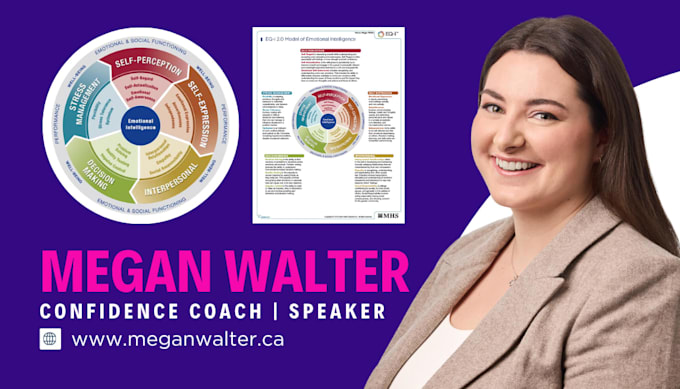
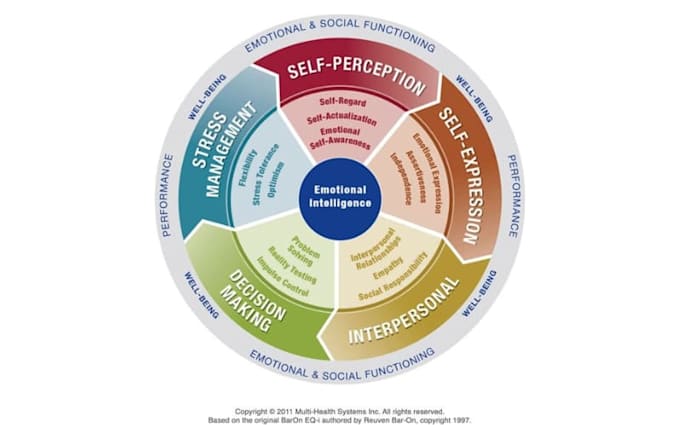
The Emotional Quotient Inventory (EQ-i 2.0) is a leading measure of emotional intelligence, applying decades of research to support human performance, development, and well-being. This offering combines the EQ-i 2.0 Leadership Report with a personalized debrief led by a certified EQ-i coach.
Your comprehensive report explores five key areas of emotional intelligence: Self-Perception, Self-Expression, Interpersonal, Decision Making, and Stress Management.
During your debrief, well move beyond the numbers to explore what your results mean for you as a leader. Together, well identify practical ways to leverage your strengths, develop areas of opportunity, and strengthen your leadership effectiveness, workplace performance, communication, relationships, and overall well-being.
This is not about changing who you are. Its about understanding yourself better so you can lead with confidence.



Expertise:
Management
Experience level:
Senior
Industry:
Business, Finance & Law
•
News & Politics
•
Versatile
Language:
English
•
French
Who conducts the EQ-i 2.0 assessment and debrief?
The assessment and debrief are facilitated by a certified EQ-i 2.0 and EQ 360 practitioner. I’m trained to administer and interpret the EQ-i 2.0 and help you translate your results into practical insights for your leadership and career development.
What will I learn from my EQ-i 2.0 assessment?
Your results provide insight into your emotional intelligence across five areas: Self-Perception, Self-Expression, Interpersonal, Decision Making, and Stress Management. We’ll explore your strengths, opportunities for growth, and how your EQ can influence your leadership style.
Do I need to prepare anything before completing the assessment?
No special preparation is required. The EQ-i 2.0 consists of 133 questions designed to capture your typical thoughts, feelings, and behaviours. The most helpful approach is to answer honestly, rather than how you think you should respond.