Browse categories
Explore
Fiverr Pro
English
$
USD
Growing Businesses With Semantic SEO to Achieve Topical Authority
Ever heard of semantic content briefs? If not, let me explain why they're crucial before writing & publishing any SEO article or service page on your website.
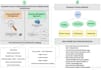
A semantic content outline sets the foundation of your page by aligning with user intent through two key parts: Macro context and Micro context. The macro context defines the main intent and explains the content in a way that makes sense to both search engines and users. The micro context dives deeper into related user queries connected to that main topic.
A strong SEO content brief gives writers a clear roadmap: what to write, how to write, how much to write, & where to create contextual connections. In my briefs, I include:
If you've already selected topics for your website, you need structured article outlines for blogs or service pages so writers can deliver content that matches your business goals & drives conversions. Please read FAQ's & contact me before placing an order lets build content that ranks, converts, & lasts.



Language:
English
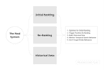
SEO services offer implementation of SEO practices only, which may take weeks or months before any results begin to show.
What is a Semantic Content Brief, and how is it different from a regular content outline?
A semantic content brief goes beyond headings. It focuses on user intent, entities, and context to align with search engines and users. Unlike a basic outline, it covers macro and micro context, ensuring depth and better rankings.
How will a semantic content brief help my website rank on Google?
Google ranks content based on entities, intent, and context—not just keywords. My briefs ensure your content covers user queries, gaps, and internal links, boosting topical authority, search visibility, and long-term ranking potential.
Do I need a content brief if I already have an SEO writer?
Yes. Even great writers need direction. A brief provides a roadmap—what to write, how much, and what to focus on—so they don’t miss ranking opportunities and create content aligned with your business goals and conversions.
What do you include in your SEO content briefs?
Each brief includes headings & hierarchy, writing instructions, queries, N-grams, entities, competitor analysis, anchor text for internal linking, and entity-optimized rules—making content both user-focused and search-friendly.
Can I use these briefs for any type of content (blogs, service pages, landing pages)?
Yes. My briefs work for blogs, service pages, product pages, or landing pages. The process is the same: align with search intent, cover entities, and create structured outlines to boost visibility and meet business goals.
Do you also write the full article or just provide the content brief?
This gig delivers SEO-driven content briefs for writers. If you’d like me to also write the full article, I can create a custom offer so you get both the brief and a finished, optimized piece ready to publish.
How should I use these content briefs for my writers?
I’ll provide a video guide showing you exactly how to use my briefs. This ensures your writers understand the structure, queries, and entity rules, making it easier for them to follow and create optimized content.
What if I don’t have any topics or a topical map for my website?
No worries. I specialize in building topical maps based on Koray Tuğberk Gübür’s framework. You can check my other gig for creating interconnected topical maps that give you authority and guide content creation.
What if my writers do not understand your content briefs and rules?
I can train your writers directly. I’ve trained 10+ US writers on semantic SEO and algorithmic authorship rules, audited their drafts, and helped them revise to ensure articles follow entity-optimized writing standards.


