Browse categories
Explore
Fiverr Pro
English
$
USD
Helping Companies Build Applications , AI and IoT Products
Wearable Device, high speed data processing, or advanced audio decoding on ESP32 I design Dual Core FreeRTOS architectures that deliver maximum throughput, low latency, and stable multimedia performance.
Core Expertise
Success Highlights
If you need peak ESP32 performance for multimedia or IoT workloads, I can deliver a prod ready Solution.


Platform:
ESP32
Sensors:
Sound & vibration
•
Photo diode
•
Camera
Why should I pay for a Dual-Core FreeRTOS solution?
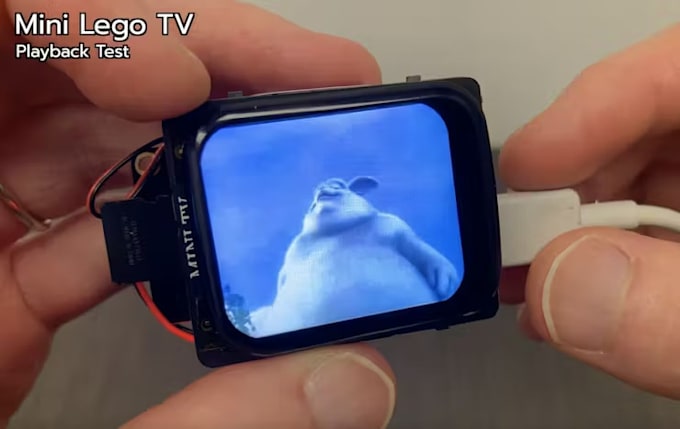
Using the ESP32's Dual-Core architecture ensures complex tasks like MJPEG Video Decoding (Core 0) and AAC/MP3 Audio Playback (Core 1) run in parallel without performance loss, guaranteeing smooth real-time operation.
How do you handle debugging and performance optimization on ESP32 for complex multimedia or IoT projects?
I use a structured optimization workflow combining core affinity tuning, task-level profiling, buffer analysis, and hardware tracing. This includes ESP-IDF performance counters, FreeRTOS runtime stats, logic analyzer validation, and targeted DSP profiling. I identify bottlenecks in decode pipelines,
Which audio/video formats and hardware do you support?
I have experience implementing efficient decoders for formats like MJPEG and AAC/MP3. Supported hardware includes SD Card and I2S DACs.
Is the code efficient for resource-constrained devices?
Yes. The code is written in optimized Embedded C++ and uses techniques like Task Pinning and efficient Digital Signal Processing to maximize the ESP32's limited RAM and processing power.