Browse categories
Explore
Fiverr Pro
English
$
USD
linux System Admin,Web Server,Troubleshooting intermediate
Stop Worrying About CentOS 7 End-of-Life!
Do you have a legacy PHP application (like PHP 5.4) that only runs on CentOS 7? Afraid of breaking your code during an upgrade? I can move your entire legacy stack to Rocky Linux 9.5 without changing a single line of your code.
What I Offer:
Why Me? I don't just "install" software; I perform Binary-Level Porting. I solve the "Dependency Hell" that others can't.


Device:
Server
Operating system:
Linux
•
Ubuntu
Will I need to modify my PHP source code for this migration?
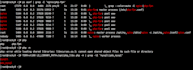
No. My solution focuses on binary-level compatibility. By using an isolated library environment (LD_LIBRARY_PATH), your legacy code runs exactly as it did on CentOS 7. You won't have to change a single line of your application code.
Is it safe to run legacy OpenSSL 1.0.2 on a modern Rocky Linux 9 system?
Yes. The legacy libraries are kept in an isolated directory (/opt/php_libs) and are only used by your legacy PHP/Nginx processes. The rest of your Rocky Linux 9 system continues to use modern, secure libraries, ensuring your infrastructure remains up-to-date and compliant.
Can my legacy PHP 5.4 connect to a modern MySQL 8.0 database?
Absolutely. I provide a specialized bridge by patching the legacy libmysqlclient.so.18 and configuring the database authentication plugins (like mysql_native_password). This allows your old app to "talk" to a modern, secure database engine without issues.
How do I manage the services (Start/Stop/Restart) after migration?
I encapsulate the entire legacy stack into standard Systemd Units. You can manage your services using standard commands like systemctl restart php-fpm-legacy. It’s as easy as managing any modern Linux service.
What happens if I need to install new PHP extensions later?
Since we are using the legacy binary stack, new extensions must be compiled or ported from the original CentOS 7 environment. I can help you with this as an additional service, or provide a guide on how to add common modules like GD, ZIP, or BCMath.
Does this migration affect other applications on my server?
No. Because I use a non-intrusive isolation strategy, your legacy environment is completely decoupled from the system's global paths. You can even run a modern PHP 8.x version on the same server simultaneously without any conflict.


