August 3, 2026
 10 minute reading
Uncertain times, such as the coronavirus pandemic, made online personal training more relevant than ever leaving many personal trainers with no other choice than to move their personal training business online.
Social distancing and isolation laws require a rapid shift to a virtual business setting, but many personal trainers don’t know where to begin with making this big change.
This step-by-step guide will provide you with a quick, efficient, and methodical approach to pivot to an online personal training business in no time.
You’ll learn everything from how to build your online presence, find your unique target audience, market yourself as an online personal trainer to using helpful technology to streamline your online personal training business’ day-to-day activities.
With this new knowledge under your belt, you’ll have no problems maintaining your existing clients and attracting new ones to ensure you remain successful as a personal trainer during these unprecedented times.
Follow these 8 steps to get started as an online personal trainer
Step 1. Assess your level of commitment to run an online business
- Be ready to overcome roadblocks and challenges that stand in your way
- Understand that breaking into the online space is a slow-growth process. It's a marathon, not a sprint
- Get comfortable with the idea of navigating through financial and emotional highs and lows
- Be prepared to deal with and successfully overcome customer support issues
- Understand that selling online should be only one part of your overall online strategy. You will have to wear many different hats
- Have a reason behind your endeavor other than doing it just for the money
- Lead by example and always be willing to put your best foot forward
- Have your finger on the pulse of fitness and digital marketing trends to ensure you always stay current and can adapt to a rapidly changing industry
Step 2. Strategize and plan
- A backup plan
- A business plan
- How you will carry out business
- How your business will function, including the online set-up and who will be responsible for what tasks
- Your target market and how you will be meeting their needs in a virtual setting
- Your products and online services
- The new forms of marketing or advertising you will use to reach your target audience
- An analysis of your new competitors (those also operating in a virtual setting) and what sets your business apart from theirs
- Your team members, if any, and what their virtual positions now involve
- Any changes to your financial plan or financial forecast for the future
- It gives your new business model direction and encourages you to define your goals and the strategies you’ll use to achieve these
- If your business was originally established as a physical store, it helps you determine what is already working and what changes you need to make to transition to an online model
Assess your business chances for success
- If they would consider buying and accessing your services online, whether through a live stream workout, video lessons, an online course, or more
- What are their buying habits and preferences. For example, do they prefer shopping online or in-person, how much do they feel comfortable spending, and how much research do they do before making the decision to purchase, such as reading reviews, asking friends and family, etc.?
- Where they spend most of their time online, such as YouTube, Instagram, and Facebook. How can you use these platforms to market your business or deliver your services?
- What are their most important goals and challenges are in terms of health and fitness. Do your services cater to these? If not, are you able to incorporate this feedback into what you offer?
Step 3. Learn how to market your personal training business
- Offer your audience incentives to encourage them to take action immediately
- Provide value to customers that they believe they won't find elsewhere
- Empower your audience to make a change, whether through educating, inspiring, or motivating them
Ready to reimagine branding for your business?
1. Offer rewards for online referrals
2. Create a social media “Summer Body” promotion
3. Run an online corporate wellness program at a discounted rate for local businesses
4. Offer free training in exchange for contact details
5. Offer valuable content through a blog
6. Provide an incentive for Google Reviews
7. Offer your own expertise to other websites, blogs, or YouTube channels
Step 4. Build a fitness brand that helps you stand out from the crowd
- What subjects you’ve studied in the past
- Previous job titles you held
- Your family history
- Your own lifestyle
- What are you most passionate about?
- What personal challenges or obstacles have you faced in the past and overcame?
- What would you most like to help people with on a daily basis?
Step 5. Define your target market
- Fitness classes targeted toward professional athletes who need to be in peak physical condition
- Elderly people who need to maintain their health and movement
- New mothers looking to get back to their pre-baby weight
- School groups using personal training classes as part of their physical education
- People with physical disabilities looking for gentle exercises to build their strength
- Age
- Gender
- Location
- Ethnicity
- Marital status
- Occupation/industry
- Income
- Personality
- Values
- Opinions
- Interests
- Lifestyle choices
Find a market research specialist for hire










Level 2
I will do market research, competitor analysis and business plans
Offers video consultations


Top Rated
I will create branded typeform, google forms, jotform, ai chatbot
Offers video consultations








Vetted Pro
I will validate your business idea with strategic market research
Offers video consultations
















Level 2
I will do market research, swot analysis and competitor analysis
Offers video consultations








Top Rated
I will deliver market research, competitor analysis, and strategy
Offers video consultations


Vetted Pro
I will provide comprehensive competitor research and analysis
Offers video consultations






Level 2
I will online survey forms, heyflow, tally, cognito form, google form zoho form, wpform
Offers video consultations








Vetted Pro
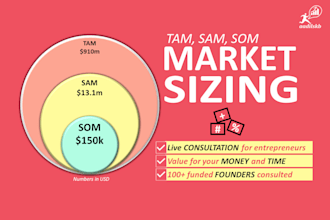
I will validate your business concept with strategic market analysis
Offers video consultations























Step 6. Choose the best apps and management tools for your business
- The Training Notebook and GAIN Trainer: These all-in-one virtual hubs allow you to manage your client’s workout regimens, training schedule, contact information, assessments, and more. They also have a built-in calendar for you to schedule and keep track of your sessions.
- Vagaro: This is another incredibly helpful app, as it allows you to create virtual classes, workshops, and appointments, but most importantly, live stream classes to clients based anywhere in the world. It provides you with an in-built calendar and schedule, an online booking system, and the ability to create tailored memberships and packages. Clients can also receive text notifications, so they never miss a class.
- Mint: Staying on top of your bills, transactions, and business expenses is a lot easier when you can do so in one place. Mint allows you to do all of this within the app, so you’ll never miss paying a bill, thanks to reminders, or have to go scrambling for receipts come tax time.
- Podium: This app can help you collect online reviews and testimonials simply by sending out an automated text message to your clients. A whopping 90% of people say online reviews impact their decision to buy a product or service, so this is one area of your business you don’t want to ignore.
- Basecamp is an all-in-one project management software tool, which allows team members to easily view tasks at-a-glance, collaborate with each other, track a project's progress, share files, and more.
- Buffer is an easy-to-use social media management software tool, which allows you to do things such as schedule social media posts at peak times for your target audience, curate your content, track your analytics, and more.
Find a virtual assistant for hire






Level 2
I will format corporate layout, sops, and fix ai generated text in ms word
Offers video consultations




Level 2
I will be your bilingual german and english virtual assistant
Offers video consultations


Level 2
I will format and design branded pdfs, reports, and documents
Offers video consultations




Vetted Pro
I will be your best reliable executive assistant for admin and personal support
Offers video consultations









Top Rated
I will be your personal virtual administrative assistant
Offers video consultations
Top Rated
I will be your professional long term personal and virtual assistant
Offers video consultations



Level 2
I will notion virtual assistant, notion dashboard, notion template
Offers video consultations


Vetted Pro
I will send instagram linkedin dms with followups and lead tracking
Offers video consultations
Vetted Pro
I will expertly handle airbnb cohosting, virtual assistance, and guest communication
Offers video consultations




Level 2
I will handle your credentialing, recredentialing, medicare and medicaid enrollment
Offers video consultations



Vetted Pro
I will be your virtual admin office assistant for business, personal
Offers video consultations






















Vetted Pro
I will be your virtual assistant for administrative support
Offers video consultations

Level 2
I will be your executive virtual assistant for any business need
Offers video consultations










Step 7. Build a strong social media presence
They are used to bridge the gap between your business and your target audience, by providing relevant information, and engaging in conversation with your followers audience.
1. Twitter
- Create an introductory video that explains who you are, what is your specialty as a personal trainer, and what viewers can expect from your Youtube workout channel.
- Only post videos that contain good lighting, clear sound, and high quality. Invest in the appropriate filming and editing equipment to ensure your videos look professional and you’ll have no problem gaining subscribers.
- Be energetic, encouraging, and entertaining in your videos. These qualities are infectious and will have people tuning-in on repeat.
2. Facebook
- Have a consistent schedule when posting and sharing your content so followers can rely on you for regular sources of information and inspiration
- Engage with your clients via Facebook by inviting them to follow your business page, commenting on their posts, and tagging them in your own posts..
- Consider paid Facebook advertising, such as running Facebook Ads. You can use these ads to link to your own website or landing page and can also choose specific audiences to target, therefore increasing your reach.
3. Instagram
- Try to gain exposure by reaching out to feature accounts in the fitness niche. You can also tag your photos with the feature account’s hashtag if they make a great fit in the hopes that they may share your image, video, or profile with their following
- Use the most relevant 30 hashtags each time you post an image or video. If you need some ideas, there are also plenty of fitness-related hashtag suggestions online which will put your content in front of a wider audience
- Post at the peak times your audience is online to ensure as many of them are seeing your content. To find out these times, go to 'Insights' within your business profile, then click 'Audience.' Scroll down to see the times and days the majority of your audience is online
4. YouTube
- Create an introductory video that explains who you are, what is your specialty as a personal trainer, and what viewers can expect from your Youtube workout channel
- Only post videos that contain good lighting, clear sound, and high quality. Invest in the appropriate filming and editing equipment to ensure your videos look professional and you’ll have no problem gaining subscribers
- Be energetic, encouraging, and entertaining in your videos. These qualities are infectious and will have people tuning-in on repeat
5. Pinterest
- Infographics are extremely popular on Pinterest, as they allow viewers to see a range of helpful and related information in one image. Creating your own fitness-related infographics is highly recommended. You can place your business logo on them and link them directly to your website
- Create boards organized into categories relating to your virtual business. Some examples of popular boards you might want to create include before and after pictures of clients (with their permission, of course!), fitness and nutrition tips, healthy recipes, workouts, workout gear, and more
- Allow social share tabs on each of your blog posts or webpages that allow people to pin images directly from them. Then, when they appear on Pinterest, people can click them to land directly on your website or blog to learn more about your services
6. TikTok
- Create engaging and informative content that resonates with your target audience. This can include workout tips, fitness challenges, demonstrations of different exercises, and behind-the-scenes looks at your training sessions.
- TikTok is all about trends and hashtags. Participating in popular trends will help you to tap into a larger audience and gain more exposure.
Use relevant hashtags in your captions and comments to help the algorithm expose your content to the relevant users, who are interested in fitness, and have them easily discover it. - Building a strong TikTok channel requires more than just creating great content. It's also important to engage with your followers by responding to comments, liking and commenting on other users' content, and generally being present and active on the platform. By building relationships with your followers, you can create a sense of community and foster loyalty, which can lead to increased engagement and potential customers for your business.
Find a social media marketing specialist for hire



Top Rated
I will setup meta facebook instagram ads for more leads or sales
Offers video consultations



Level 2
I will be your facebook and instagram ad campaigns, marketing, and meta ads manager
Offers video consultations


Top Rated
I will run facebook ads campaign, instagram ads, meta ads marketing expert manager
Offers video consultations




Level 2
I will set up facebook ads, meta ads, fb marketing advertising campaign
Offers video consultations








Vetted Pro
I will set up and manage your facebook and instagram ad campaign
Offers video consultations






Vetted Pro
I will be your social media manager and monthly content creator
Offers video consultations


Top Rated
I will be your marketing expert, social media manager and content creator
Offers video consultations


Top Rated
I will be your social media marketing manager and content creator
Offers video consultations

Vetted Pro
I will be your social media content creator and carousel designer
Offers video consultations







Vetted Pro
I will be your social media marketing manager and content creator
Offers video consultations




Level 2
I will do facebook ads campaign, marketing, instagram advertising, meta ad manager
Offers video consultations





Top Rated
I will be your social media marketing manager and content creator
Offers video consultations



Top Rated
I will manage your meta ads entirely, facebook and instagram ads
Offers video consultations

Vetted Pro
I will be your social media manager and content creator
Offers video consultations


Level 2
I will run tik tok ads, tik tok ads manager, and tiktok marketing
Offers video consultations


Level 2
I will run facebook ads campaign, instagram ads, meta ads manager, and shopify fb ads
Offers video consultations


Top Rated
I will be your social media marketing manager and content creator
Offers video consultations






Level 2
I will do facebook ads campaign instagram ads fb advertising meta ads manager
Offers video consultations


Top Rated
I will set up facebook and instagram ads for leads and sales
Offers video consultations




Top Rated
I will setup, audit, troubleshoot facebook meta business manager, ad account problems
Offers video consultations


Level 2
I will be your social media marketing manager and content creator
Offers video consultations
Vetted Pro
I will manage your linkedin and build your founder personal brand
Offers video consultations

Top Rated
I will run your facebook and instagram campaign to get sales
Offers video consultations

Top Rated
I will be your social media manager and professional social media marketing manager
Offers video consultations

Step 8. Outsource some tasks and scale your business
- Writing the copy for web pages and landing pages
- Creating and implement other marketing elements for the blog, such as opt-in forms, banners, and CTAs (Calls to Action)
- Setting up a YouTube channel, as well as social media channels including Instagram, Facebook, Twitter, and/or Pinterest
- Maintaining social media channels through regularly posting content and engaging with followers
- Creating, publishing, and promoting both fitness articles and videos
- Answering blog comments and emails
- Creating lead magnets to boost email subscribers, such as eBooks, meal plans, free programs/courses, and more
- Analysing KPIs (Key Performance Indicators)