How Much Does It Cost to Hire a Mechanical Engineering Specialist?
Mechanical engineering specialist costs in 2026 range from $50 to $229 per project based on marketplace pricing, with hourly rates between $7 and $125 depending on complexity and expertise.
 March 12, 2026
 9 minute reading
Modern businesses increasingly rely on specialized mechanical engineering expertise to bring products from concept to market, optimize manufacturing processes, and solve complex technical challenges. In 2026, companies of all sizes turn to freelance mechanical engineering specialists to access advanced capabilities without the overhead of full-time hires, particularly for mechanical engineering specialist services that demand precision, innovation, and technical mastery across diverse applications from consumer products to industrial automation systems.
Understanding what you'll pay for mechanical engineering services requires examining multiple variables including project scope, technical complexity, deliverable types, and specialist experience. Based on current Fiverr marketplace data, costs span a wide spectrum from basic technical drawings at around $30 to comprehensive full design processes exceeding $229, with hourly arrangements ranging from $7 for straightforward tasks to $125 for advanced design for manufacturing work. This article breaks down the specific pricing structures, cost factors, and service tiers you'll encounter when hiring mechanical engineering talent, helping you budget accurately and select the right specialist for your technical requirements.
Average Mechanical Engineering Specialist Costs
Based on recent Fiverr marketplace data, mechanical engineering specialist pricing varies significantly depending on service type and project complexity. For industrial and product design services, which represent a core offering in this field, fixed-price projects typically range from $75 to $229, while hourly rates span $7 to $125 depending on the specific discipline and expertise level required.
Breaking down the pricing by specific service categories reveals distinct cost structures. For 3D modeling and rendering work, you can expect fixed prices around $64 to $250, with hourly rates between $40 and $80. Design for manufacturing services, which involve preparing products for production, command fixed prices from $40 to $118, with hourly rates ranging from $40 to $125 reflecting the specialized knowledge required to optimize designs for cost-effective production.
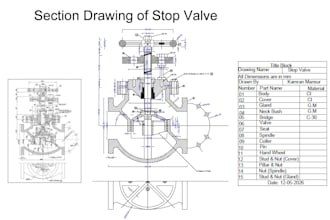
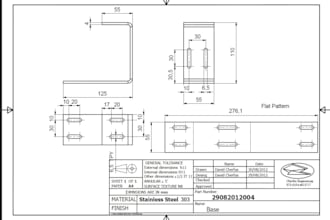
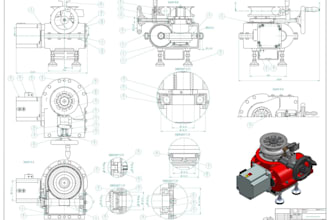
Technical drawing services offer more accessible entry points, with fixed prices averaging $95.50 and hourly rates between $8 and $35, making these services suitable for businesses needing documentation, specifications, or engineering blueprints. Rapid prototyping work falls in the $40 to $61 fixed-price range with hourly rates from $15 to $60, while comprehensive concept development services average around $140 for fixed-price arrangements.
The full design process, which encompasses everything from initial concept through manufacturing-ready specifications, represents the premium tier at approximately $229 for fixed-price projects with hourly rates between $30 and $65. Pattern design services for specialized applications range from $30 to $46 for fixed projects, while jewelry design and character modeling services fall between $57 and $95 depending on complexity. These marketplace rates reflect the diverse technical capabilities mechanical engineering specialists bring to projects across multiple industries and application areas.
Which Pricing Model Is Best for You?
Mechanical engineering specialists typically offer both hourly and fixed-price arrangements, each suited to different project characteristics. Fixed-price packages work best when you have clearly defined deliverables such as a specific number of technical drawings, a single product design, or a prototype model with established specifications. This model provides cost certainty and works well for standalone projects with minimal expected revisions.
Hourly pricing makes more sense for complex projects with evolving requirements, ongoing technical consultation, or situations where the full scope cannot be determined upfront. Design optimization, iterative prototyping, and troubleshooting existing mechanical systems often benefit from hourly arrangements since the specialist can adapt their approach as new challenges emerge. Projects requiring significant client collaboration, multiple revision cycles, or exploratory research and development typically see better outcomes under hourly structures where the specialist has flexibility to invest appropriate time without scope constraints.
What Influences Mechanical Engineering Service Costs
Technical Complexity and Engineering Discipline
The engineering complexity of your project directly impacts pricing, with straightforward tasks like basic 2D technical drawings costing $50 to $100 per hour compared to advanced thermodynamic analysis, stress testing simulations, or multi-component assembly design that can command $65 to $125 hourly. Simple modifications to existing designs might take 2 to 4 hours at lower rates, while developing a complete product from concept including calculations, material selection, and manufacturing specifications could require 20 to 40 hours at premium rates. Projects involving specialized disciplines like fluid dynamics, heat transfer analysis, or precision tolerance engineering typically cost 40 to 60 percent more than standard mechanical design work.
Deliverable Type and Documentation Requirements
What you receive at project completion significantly affects cost structure. Basic conceptual sketches or simple part drawings represent the lower end at $30 to $50, while comprehensive packages including CAD files, engineering calculations, bill of materials, assembly instructions, and manufacturing specifications range from $140 to $229. If you need files in multiple formats for different applications, such as STEP files for manufacturing, rendering files for marketing, and simplified models for client presentations, expect costs to increase by 25 to 35 percent. Projects requiring detailed technical documentation, compliance certificates, or engineering stamps involve additional time and liability, adding $50 to $150 to base project costs.
Prototyping and Testing Requirements
When projects extend beyond digital design into physical prototyping, costs escalate based on materials, fabrication methods, and testing protocols. Digital-only deliverables like 3D modeling and rendering services fall in the $64 to $118 range, while projects requiring prototyping and 3D printing coordination start around $40 for simple parts and can reach $300 or more for complex assemblies. Specialists who manage the entire prototyping process including vendor coordination, quality control, and iteration cycles typically charge 50 to 80 percent premiums over design-only services. Functional testing, stress analysis, or performance validation adds another layer of cost, generally requiring 8 to 15 additional hours of specialist time.
Industry Standards and Compliance Needs
Projects requiring adherence to specific industry standards, regulatory compliance, or certification documentation involve substantially more specialist time and expertise. Generic product design without specific regulatory requirements costs significantly less than designs that must meet FDA medical device standards, automotive safety regulations, or aerospace certification requirements. Compliance-driven projects typically require 30 to 50 percent more engineering time for documentation, verification, and revision processes. Specialists with certifications in specific industries or familiarity with standards like ISO, ASME, or ANSI command premium rates, generally 20 to 40 percent higher than generalist mechanical engineers.
Project Timeline and Revision Expectations
Standard turnaround times for mechanical engineering projects range from 3 to 5 days for simple drawings to 2 to 4 weeks for complete product development cycles. Rush delivery requests typically incur 25 to 50 percent premiums, with 24 to 48 hour turnarounds sometimes doubling standard project costs. The number of revision rounds included also impacts pricing, with most fixed-price packages including 2 to 3 revision cycles. Projects requiring extensive iteration, client feedback incorporation, or design optimization based on testing results benefit from hourly arrangements where specialists charge for actual time spent rather than estimating revision needs upfront.

Cost Breakdown by Project Scope
Mechanical engineering services span multiple complexity tiers, each offering different deliverables and requiring different specialist capabilities. Understanding these tiers helps you match your project needs to appropriate budget expectations.
Basic Technical Services
- Includes simple 2D technical drawings, part specifications, basic CAD conversions, and straightforward dimension documentation
- Typical price range of $30 to $60 for fixed projects, or $40 to $179 per hour
- Best for businesses needing documentation of existing parts, simple modifications, or basic manufacturing drawings without complex assemblies
- Delivery within 2 to 4 days for standard requests
Standard Product Design
- Covers complete part or component design including 3D modeling, rendering for presentations, material recommendations, and manufacturing-ready files
- Price range from $75 to $140 for fixed projects, or $45 to $85 per hour
- Ideal for businesses developing new products, improving existing designs, or creating components that integrate with larger systems
- Typical timeline of 5 to 10 days depending on complexity and revision requirements
- Usually includes 2 to 3 revision rounds and files in 2 to 3 common formats
Advanced Engineering Solutions
- Encompasses comprehensive design processes including concept development, engineering analysis, design for manufacturing optimization, prototype coordination, and complete technical documentation packages
- Pricing from $140 to $229 for fixed projects, or $50 to $125 per hour depending on specialization
- Suited for businesses launching new products requiring full development cycles, companies optimizing designs for cost-effective manufacturing, or projects demanding specialized engineering analysis
- Project duration typically 2 to 4 weeks with multiple milestone reviews
- Includes comprehensive deliverables such as CAD files, engineering calculations, assembly instructions, bill of materials, and manufacturing specifications
Related Service Costs




















































Architectural Design Integration
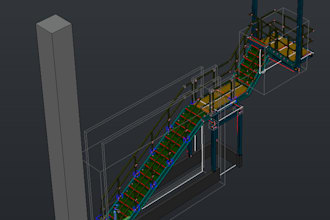
When mechanical engineering projects intersect with built environments, particularly for HVAC systems, structural supports, or building-integrated products, coordination with architectural design services becomes necessary. This integration ensures mechanical components fit within architectural constraints and meet building codes. Specialists who bridge both disciplines typically charge premium rates since they must understand spatial planning, building systems, and regulatory requirements beyond standard mechanical engineering. Projects requiring this cross-disciplinary expertise generally add $50 to $150 to base costs, with hourly rates increasing by $10 to $25 to account for the additional coordination and verification work.
Building Engineering Coordination
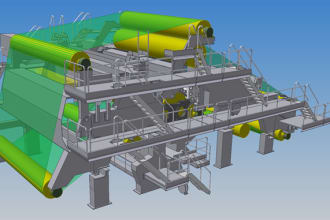
For mechanical systems that integrate into larger building projects such as elevators, conveying systems, or industrial equipment installations, building engineering coordination ensures proper integration with structural, electrical, and plumbing systems. This service typically involves creating interface drawings, coordinating with other engineering disciplines, and ensuring designs accommodate installation requirements. The additional planning and documentation required for building-integrated mechanical systems usually adds 20 to 35 percent to standalone mechanical design costs, with specialists charging for coordination meetings, specification reviews, and multi-discipline drawing preparation.
Concept Development Services
Before detailed engineering begins, many projects benefit from dedicated concept development phases where multiple design directions are explored, evaluated, and refined. This ideation work helps identify optimal approaches before investing in detailed engineering. Concept development for mechanical products typically costs $95 to $140 as a standalone service, involving sketches, feasibility analysis, rough cost estimates, and preliminary material selection. While this represents an upfront investment, it often reduces total project costs by identifying challenges early and establishing clear direction before detailed design work begins.
Industrial Automation Integration
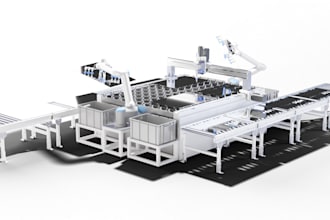
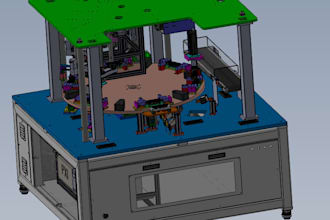
Mechanical designs intended for automated manufacturing environments or products incorporating motion control, robotics, or automated assembly require integration with industrial automation control systems. This specialization ensures mechanical designs accommodate sensors, actuators, control interfaces, and automated handling equipment. Specialists with both mechanical engineering and automation expertise command premium rates, typically 30 to 50 percent above standard mechanical design costs. Projects requiring this integration involve additional considerations for tolerances, repeatability, cycle times, and interface specifications that standard product design does not address.
2D Drawing Documentation
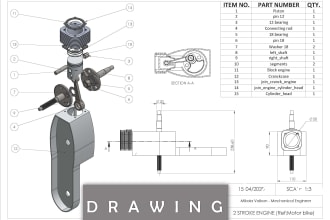
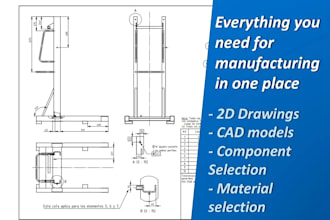
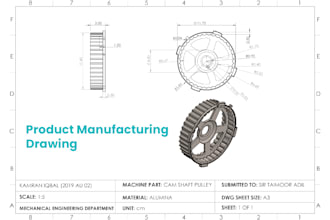
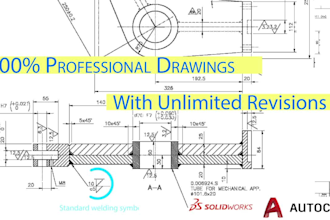
Even when 3D models form the primary design deliverable, many manufacturers and fabricators require traditional 2D drawing packages with dimensions, tolerances, notes, and specifications formatted to industry standards. Creating comprehensive 2D documentation from 3D models typically adds $45 to $95 to project costs depending on part complexity and the number of views required. While some mechanical engineers include basic 2D drawings in their standard packages, detailed manufacturing drawing sets with GD&T callouts, surface finish specifications, and complete annotation often require additional time and specialized drafting expertise beyond 3D modeling skills.
Ongoing Costs and Hidden Expenses
Beyond initial design and engineering fees, mechanical engineering projects often involve additional costs that affect total investment. Understanding these potential expenses helps you budget accurately and avoid surprises during project execution.
- File format conversions and additional output types beyond what is included in standard packages, typically $15 to $40 per additional format or specialized export
- Revision rounds beyond those included in the original scope, generally charged at 30 to 50 percent of the original design fee per major revision cycle
- Engineering change orders after designs are finalized, particularly costly if changes affect manufacturing tooling or previously approved specifications, ranging from $50 to $200 depending on scope
- Prototype material costs and fabrication fees when physical samples are needed, varying widely from $20 for simple 3D printed parts to $500 or more for machined metal prototypes
- Testing and validation services if functional verification is required, adding $100 to $400 depending on test complexity and equipment needs
- Licensing fees for specialized software outputs or proprietary file formats, occasionally required for compatibility with specific manufacturing systems
- Rush fees for expedited delivery, typically 25 to 50 percent premiums for tight deadlines that require specialists to prioritize your project
- Consultation time for answering manufacturer questions during production, supporting design intent clarification, or troubleshooting fabrication issues, usually billed hourly at the specialist's standard rate
Frequently Asked Questions
How much does mechanical engineering specialist work cost on Fiverr?
Mechanical engineering specialist costs on Fiverr range from $50 for basic technical drawings and pattern design work to $250 for advanced 3D product animation and comprehensive design packages. Most common services fall between $60 and $140, with industrial and product design projects averaging around $75 to $118 depending on deliverables. Entry-level offerings like simple 2D drawings or basic CAD modifications start at the lower end, while premium services including full design processes, design for manufacturing optimization, and concept development with multiple iterations reach the higher price ranges. Many specialists also offer related services such as prototyping coordination, jewelry design, and character modeling for specialized applications, with pricing adjusted based on project complexity and required expertise.
What are typical hourly rates for mechanical engineering specialists?
Hourly rates for mechanical engineering specialists on Fiverr span from $40 to $125 depending on the specific service and specialist expertise level. Technical drawing and basic CAD work typically ranges from $40 to $90 per hour, while 3D modeling and rendering services fall between $45 and $80 hourly. Specialized disciplines command higher rates, with design for manufacturing expertise ranging from $10 to $125 per hour and full design process specialists charging $40 to $85 hourly. Hourly pricing is most common for projects with evolving requirements, ongoing consultation needs, or complex problem-solving where the total time investment cannot be accurately estimated upfront. This model allows specialists to dedicate appropriate attention to technical challenges without scope limitations, making it ideal for iterative design optimization, troubleshooting, and projects requiring significant client collaboration throughout the development process.
What is typically included in a basic mechanical engineering package?
Basic mechanical engineering packages typically include a specified number of part or component designs delivered as 3D CAD files in one or two common formats, basic 2D technical drawings with essential dimensions, and standard rendering images suitable for presentations or initial review. Most entry-level packages cover single parts or simple assemblies rather than complex multi-component systems, and include 1 to 2 revision rounds to refine the design based on your feedback. Upgrades and add-ons commonly offered include additional file formats for different manufacturing processes, extra revision cycles beyond the base package, detailed engineering calculations and analysis documentation, bills of materials with part specifications, and manufacturing-ready drawing packages with complete tolerance and surface finish callouts. More comprehensive packages may also include prototype coordination, material selection guidance, and design for manufacturing optimization. Expanding scope to include these elements typically increases costs by 30 to 100 percent depending on the complexity and specialist time required for the additional deliverables.

Related Guides




About the author
Fiverr Team
Fiverr is a leading digital freelance solution on a global scale, providing you with access to high-quality, specialized, and diverse human talent on an AI-enhanced platform. We pride ourselves on being the best place to get the most value for your budget—whether you’re part of a startup or Fortune 500, whether you need help on a simple task or complex project.
