 August 3, 2026
 9 minute reading
The digital landscape of 2026 continues to prioritize user-centered design as businesses recognize that seamless, intuitive interfaces directly impact conversion rates, customer retention, and brand perception. Companies across industries now invest strategically in professional UI UX design services to differentiate themselves in competitive markets, with mobile-first approaches and accessibility standards becoming baseline expectations rather than premium features.
Understanding what drives UI UX design costs helps businesses budget appropriately and select the right expertise for their specific needs. Pricing varies significantly based on project complexity, designer experience, deliverable scope, and timeline requirements. This guide breaks down current marketplace rates, explores the key factors that influence pricing, and provides actionable insights to help you make informed hiring decisions for your design projects in 2026.
Average UI UX Designer Costs
Based on Fiverr's recent marketplace data, UI UX design services show considerable variation depending on project type and specialization. Website UI/UX design projects typically range from $103 to $327 on a fixed-price basis, with hourly rates between $17 and $72. For businesses seeking app design services, fixed project pricing averages around $185 to $717, depending on complexity and platform requirements.
Landing page design services present a more accessible entry point, with fixed prices ranging from $103 to $121. Game UI/UX design occupies a specialized niche, with fixed pricing around $141 and hourly rates between $15 and $40. Comprehensive UX design projects command prices from $181 to $600 on a fixed basis, reflecting the strategic research and testing involved in these engagements.
Website builders design services offer flexibility with hourly rates spanning $20 to $125 and fixed project costs around $121 to $717. More granular services like wireframe UX design are available at approximately $65, while graphic UI components average $42. Icon and button design represents the most affordable specialized service at around $20 per project.
These pricing structures reflect the diverse needs of modern businesses, from startups requiring basic interface improvements to established enterprises investing in comprehensive user experience transformations. The wide range accommodates different budget levels while maintaining access to professional design expertise.
Which Pricing Model Is Best for You?
Hourly pricing works best for ongoing projects with evolving requirements, iterative design processes, or situations where scope remains undefined at the start. This model provides flexibility for user testing cycles, stakeholder feedback rounds, and gradual refinements based on real-world usage data.
Fixed-price packages suit well-defined projects with clear deliverables, such as redesigning a specific app screen, creating a landing page, or developing a complete set of design assets. This approach offers budget predictability and works particularly well when you can articulate exactly what outputs you need, making it ideal for time-sensitive launches or projects with firm budget constraints.
What Influences UI UX Designer Pricing
Project Complexity and Scope
Simple projects like redesigning a single landing page or creating basic wireframes for a five-page website typically take 3 to 7 days and cost between $100 and $300. These engagements focus on visual improvements and basic user flow optimization without extensive research or testing phases.
Medium complexity projects, such as designing a mobile app with 10 to 15 screens or revamping an e-commerce checkout process, generally require 2 to 4 weeks and range from $500 to $1,500. These projects involve user journey mapping, creating multiple design variations, and incorporating feedback cycles.
Complex engagements like enterprise software interfaces, multi-platform design systems, or comprehensive user experience audits span 6 to 12 weeks and cost $2,000 to $5,000 or more. These projects include extensive user research, persona development, prototyping, usability testing, and detailed documentation for development teams.
Designer Experience and Specialization
Entry-level designers with 1 to 2 years of experience typically charge $15 to $35 per hour or $200 to $500 for fixed projects. They handle straightforward design tasks competently but may require more direction and revision rounds.
Mid-level designers with 3 to 5 years of experience command $40 to $75 per hour or $600 to $2,000 per project. They bring proven methodologies, portfolio evidence of successful launches, and the ability to work independently with minimal supervision.
Senior designers and specialists with 6+ years of experience or niche expertise in areas like SaaS interfaces, healthcare applications, or fintech platforms charge $80 to $150 per hour or $2,500 to $7,000+ for comprehensive projects. Their strategic insights, established design systems knowledge, and ability to anticipate user needs justify premium pricing.
Research and Testing Requirements
Projects requiring user research add $300 to $1,500 to total costs, depending on methodology. Basic competitor analysis and heuristic evaluations fall at the lower end, while comprehensive user interviews, surveys, and persona development occupy the higher range and extend timelines by 1 to 3 weeks.
Usability testing phases add another $400 to $2,000 and 1 to 2 weeks to project duration. This includes recruiting test participants, conducting sessions, analyzing findings, and iterating designs based on observed user behavior. Projects without testing often cost 30 to 40 percent less but carry higher risk of requiring costly revisions post-launch.
Design System and Documentation Needs
Creating basic style guides with color palettes, typography specifications, and component libraries adds $200 to $800 to project costs. Comprehensive design systems with detailed documentation, accessibility guidelines, responsive breakpoints, and developer handoff specifications increase costs by $1,000 to $3,000 and require an additional 2 to 4 weeks.
Projects requiring ongoing design system maintenance or governance frameworks involve retainer arrangements of $500 to $2,000 monthly, ensuring consistency as products evolve and new features launch.
Timeline and Revision Allowances
Standard timelines with reasonable milestones represent baseline pricing. Rush projects requiring delivery in half the normal timeframe typically incur 25 to 50 percent premium charges, as designers must prioritize your work over other commitments.
Revision allowances significantly impact total costs. Packages including 2 to 3 revision rounds represent standard pricing, while unlimited revisions or projects with stakeholders requiring extensive iteration cycles increase costs by 20 to 40 percent or shift to hourly billing models.
Cost Breakdown by Project Type
Understanding typical investment levels for different UI UX design projects helps you budget appropriately and set realistic expectations for deliverables and timelines.
Basic Landing Page Design ($100 - $300)
- Single responsive landing page with 3 to 5 sections
- Basic wireframe and high-fidelity mockup
- Standard component library usage
- 2 revision rounds included
- Best for: Startups testing product concepts, event promotions, or simple lead capture pages
Mobile App UI Design ($400 - $1,200)
- 8 to 15 screen designs for iOS or Android
- User flow documentation
- Interactive prototype for stakeholder review
- Basic style guide with colors, typography, and key components
- 3 revision rounds
- 2 to 3 week delivery timeline
- Best for: Startups launching MVPs, established businesses adding mobile channels, or companies modernizing existing apps
Website Redesign ($800 - $2,500)
- Complete redesign of 5 to 10 page website
- Information architecture review and optimization
- Responsive designs for desktop, tablet, and mobile
- Comprehensive style guide
- Developer-ready assets and specifications
- 4 to 6 week timeline
- Best for: Established businesses modernizing outdated sites, companies rebranding, or organizations improving conversion rates
E-commerce User Experience Design ($1,500 - $4,000)
- Product listing, detail, cart, and checkout flow optimization
- User research including competitor analysis and customer journey mapping
- 15 to 25 screen designs with interaction specifications
- Usability testing with 5 to 8 participants
- Comprehensive design system documentation
- 6 to 10 week engagement
- Best for: Online retailers seeking to reduce cart abandonment, businesses scaling product catalogs, or companies entering new markets
SaaS Application Interface ($2,000 - $6,000)
- Complex multi-screen application design with 20+ unique views
- User persona development based on research
- Complete user flow documentation and interaction patterns
- Comprehensive design system with reusable components
- Accessibility compliance documentation
- Multiple usability testing rounds
- 8 to 12 week timeline
- Best for: Software companies launching new products, enterprises modernizing internal tools, or startups seeking investment-ready interfaces
Related Service Costs







Level 2
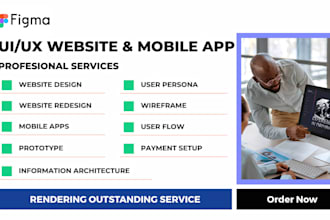
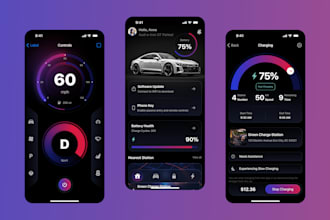
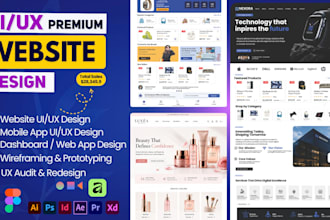
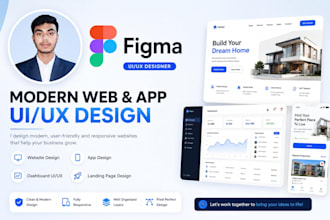
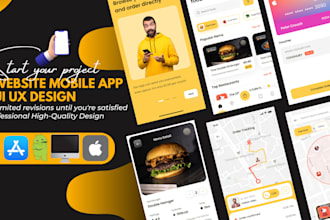
I will do website ui ux design, app ui ux design and dashboard ui ux design
From $30Offers video consultations







Level 2
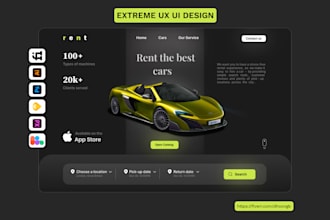
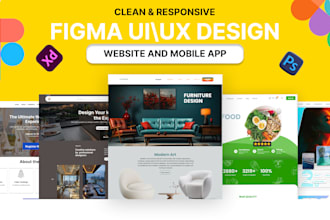
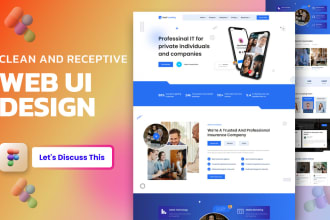
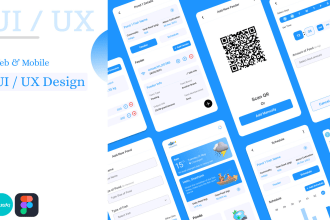
I will do website ui ux design, dashboard ui ux and app ui ux design in figma
Offers video consultations


Vetted Pro
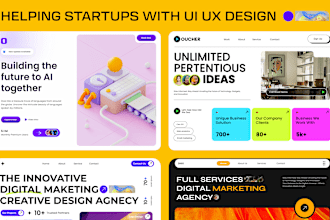
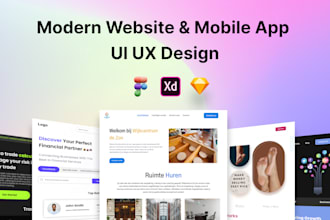
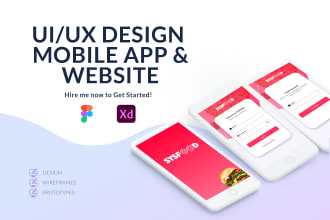
I will do website ui ux design, dashboard ui, mobile app ui ux design, ui ux design
Offers video consultations

















Level 2
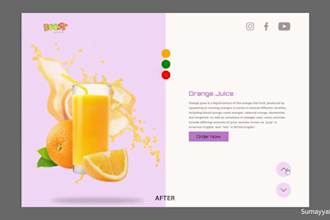
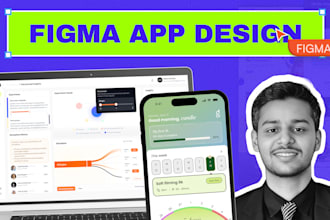
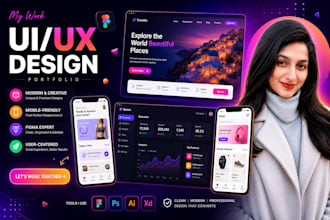
I will do UI UX design, mobile app ui ux design and website figma UI UX design
Offers video consultations




Level 2
I will do UI UX design saas, dashboards ui ux design in figma
Offers video consultations




Top Rated
I will do website ui ux design, web ui design, ui ux design, wireframe
Offers video consultations



















Product UX Research and Strategy
Comprehensive user research services establish the strategic foundation for effective design decisions. This work includes competitive analysis, user interviews, survey design and analysis, persona development, and journey mapping. When paired with UX design services, research phases typically add $500 to $2,000 to project budgets and extend timelines by 2 to 4 weeks. Businesses benefit most from dedicated research when entering new markets, redesigning established products, or addressing declining user engagement metrics.
Design Review and Consultation
Expert design reviews provide objective assessment of existing interfaces, identifying usability issues, accessibility gaps, and conversion optimization opportunities. These consultations typically cost $150 to $600 for comprehensive audits with detailed recommendations. Companies often invest in design reviews before committing to full redesigns, ensuring resources focus on high-impact improvements rather than cosmetic changes that don't address underlying user experience problems.
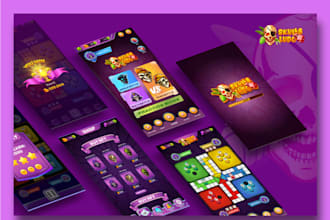
Game UI and UX Design
Gaming interfaces require specialized expertise balancing aesthetic appeal with functional clarity under time pressure and varied player attention states. Game UI/UX designers understand genre conventions, progression feedback systems, and the unique challenge of maintaining immersion while communicating complex information. These specialized services typically cost $300 to $1,500 depending on game complexity and platform. Studios benefit from specialists who understand player psychology and can design interfaces that enhance rather than interrupt gameplay experiences.
Website Builder Customization
Many businesses use platforms like WordPress, Webflow, or Shopify but struggle to achieve professional polish within template constraints. Designers specializing in website UI/UX design for specific platforms offer customization services ranging from $200 to $1,000, depending on the extent of modifications required. This approach proves cost-effective for businesses wanting custom appearance and improved user flows without complete custom development, particularly when existing platforms meet functional requirements but fall short aesthetically.
Prototyping and Interactive Mockups
Interactive prototypes allow stakeholders and users to experience designs before development begins, reducing costly revisions during implementation. Prototyping services using tools like Figma, Adobe XD, or Principle typically add $200 to $800 to project costs. Companies benefit most from prototyping when designs involve complex interactions, when stakeholder alignment proves challenging with static mockups, or when usability testing requires realistic interaction simulation to generate meaningful feedback.
Ongoing Costs and Hidden Expenses
Beyond initial design investments, several recurring and unexpected costs affect total UI UX design budgets. Planning for these expenses prevents budget surprises and ensures design quality persists beyond initial launch.
- Design system maintenance: As products evolve, design systems require updates to accommodate new features, components, and patterns. Expect $300 to $1,200 quarterly for established design systems requiring governance and expansion
- Seasonal updates and refreshes: Many businesses refresh interfaces quarterly or biannually to maintain modern aesthetics and accommodate seasonal campaigns. Budget $400 to $1,500 per refresh cycle depending on scope
- Usability testing and optimization: Continuous improvement requires periodic user testing. Plan for $400 to $1,200 per testing cycle, conducted every 3 to 6 months for actively developed products
- Accessibility audits and remediation: Ensuring WCAG compliance often requires specialized review costing $500 to $2,000 annually, with remediation work adding $800 to $3,000 depending on violations discovered
- Design tool subscriptions: If you require access to design files in native formats, subscription costs for tools like Figma, Sketch, or Adobe Creative Cloud range from $12 to $80 monthly per user
- Stock photography and illustration: Projects requiring custom imagery beyond designer-created interfaces cost $50 to $500 depending on licensing needs and asset quantity
- Additional device and browser testing: Comprehensive quality assurance across devices and browsers sometimes requires additional testing services costing $200 to $800 per major release
Frequently Asked Questions
How much does UI UX design cost on Fiverr?
UI UX design services on Fiverr range from approximately $12 for basic icon and button design to $717 for comprehensive website builder projects. Most common services fall between $100 and $500, with landing page design averaging $103 to $121, mobile app interfaces ranging from $185 to $327, and full website UI/UX projects costing $198 to $500. Entry-level packages typically include basic wireframes and visual designs with limited revisions, while premium offerings incorporate user research, interactive prototypes, comprehensive design systems, and multiple testing rounds. Businesses can also find specialized services like game UI design around $141 or focused UX strategy work between $181 and $600.
What are typical hourly rates for UI UX designers?
Hourly rates for UI UX designers on professional marketplaces typically range from $7 to $125 depending on experience, specialization, and project complexity. Entry-level designers generally charge $7 to $25 per hour and handle straightforward visual design tasks. Mid-level professionals with proven portfolios command $30 to $75 per hour, bringing strategic thinking and established methodologies to projects. Senior designers and specialists charge $80 to $125 per hour, particularly those with expertise in complex domains like enterprise software, healthcare applications, or financial platforms. Hourly billing works best for ongoing projects, iterative design processes, or engagements where scope remains flexible, while fixed-price packages suit well-defined deliverables with clear requirements.
What is typically included in a basic UI UX design package?
Basic UI UX design packages generally include wireframes outlining page structure and content hierarchy, high-fidelity visual mockups showing final appearance, responsive layouts for desktop and mobile devices, and a simple style guide documenting colors, typography, and key interface elements. Most entry-level packages cover 3 to 8 screens or pages with 2 to 3 revision rounds. Upgrades and add-ons commonly offered include user research and persona development, interactive prototypes for stakeholder review, comprehensive design systems with detailed component documentation, usability testing with real users, accessibility compliance documentation, and developer handoff support. Expanding scope to include these elements typically increases project costs by 40 to 150 percent while significantly reducing implementation risks and post-launch revision needs.

Related Guides

About the author
Yael GiladDirector of Brand & Marketing Design
Yael Gilad is the Director of Brand and Marketing Design at Fiverr, based in Tel Aviv. With over a decade of experience, she specializes in bridging the gap between creative strategy and performance-driven design. Yael is passionate about creating visual experiences that not only communicate clearly with their audience but drive meaningful engagement.
