How Much Does It Cost to Hire a Unity Developer?
Hiring a Unity developer in 2026 starts around $65 for basic tasks and can exceed $1,900 for comprehensive projects, with marketplace data providing transparent pricing benchmarks.
 April 20, 2026
 9 minute reading
Unity has become the backbone of modern game development, powering everything from mobile apps to immersive VR experiences across industries. In 2026, businesses of all sizes rely on Unity developers to bring interactive experiences to life, whether creating educational simulations, branded games, or entertainment platforms. The demand for skilled Unity professionals continues to grow as companies recognize the value of engaging, interactive content in capturing audience attention and driving user engagement.
When exploring options for Unity game developer services, you'll find that costs vary significantly based on project complexity, developer experience, and specific requirements. Basic bug fixes and minor customizations typically start around $65 to $90, while full game creation projects can average $234 for fixed-price packages or reach higher for extensive hourly engagements. Throughout this guide, you'll discover detailed pricing breakdowns across different service types, understand the key factors that influence costs, learn about various pricing models, and gain insights into budgeting for both immediate development needs and ongoing maintenance requirements.
Average Unity Developer Costs
Based on current Fiverr marketplace data, Unity game development services show a broad pricing spectrum that reflects the diversity of available offerings. Understanding these baseline costs helps you set realistic budget expectations and identify which services align with your project needs.
For comprehensive full game creation projects, fixed-price packages average $234, while hourly rates range from $8 to $71 per hour, with average hourly engagements totaling around $1,903. This category represents the most substantial investment, covering everything from initial concept to playable build.
Game development prototyping services offer a more accessible entry point, with fixed prices averaging $176 and hourly rates spanning $15 to $57, with typical projects averaging $344 in total hourly costs. Prototyping is ideal when you need to validate concepts or demonstrate core mechanics before committing to full development.
Specialized services show more focused pricing structures. Bug fixes command fixed prices averaging $93, with hourly rates from $7 to $120 and average engagements around $612. Customization services average $91 for fixed-price work, with hourly rates between $7 and $100, typically totaling $582 for hourly projects. Game modifications average $74 fixed-price, with hourly rates from $15 to $25 and average engagements of $91.
Consultation services provide strategic guidance at fixed prices averaging $92, with premium hourly rates ranging from $40 to $300 and average hourly engagements around $237. These sessions help clarify technical requirements, optimize game architecture, or solve complex implementation challenges.
Supporting visual development services also factor into overall project costs. Character design ranges from $69 to $251 for fixed-price work, with hourly rates between $7 and $37. Three-dimensional modeling and rendering average $104 fixed-price, with hourly rates from $7 to $80. In-game architecture services average $44 to $62 for fixed-price packages.
Which pricing model is best for you?
Hourly pricing works best for projects with evolving requirements, ongoing development needs, or situations where scope may expand as work progresses. This model provides flexibility for iterative development, allows for pivoting based on testing feedback, and suits maintenance relationships where you need regular access to developer expertise. Hourly arrangements make sense when you're refining gameplay mechanics, conducting multiple testing cycles, or building a long-term development partnership.
Fixed-price packages deliver predictability for well-defined projects with clear deliverables and established timelines. This model suits specific tasks like creating a prototype with predetermined features, fixing identified bugs, implementing defined customizations, or developing a game with locked specifications. Fixed pricing eliminates budget uncertainty and works best when you can articulate exactly what you need before work begins.
What Influences Unity Development Costs
Project Complexity and Technical Requirements
The technical sophistication of your game directly impacts development costs through multiple measurable factors. A simple 2D puzzle game with basic mechanics, limited levels, and straightforward UI might take 40 to 80 hours to develop, placing it in the $320 to $1,200 range at mid-tier hourly rates. In contrast, a 3D action game with physics-based gameplay, multiple character controllers, enemy AI systems, and complex level design could require 200 to 400 hours, translating to $6,000 to $20,000 or more.
Specific technical features add quantifiable time and cost. Implementing multiplayer networking typically adds 30 to 100 hours depending on whether you need simple turn-based functionality or real-time synchronization with lag compensation. Advanced shader programming for custom visual effects adds 10 to 40 hours per effect type. Procedural generation systems for dynamic content creation can add 40 to 120 hours depending on complexity. Integration with backend services, analytics platforms, or payment systems adds 15 to 50 hours per integration.
Platform Requirements and Optimization
Each target platform introduces specific development and optimization work that affects overall costs. Developing for a single mobile platform typically requires 20 to 40 hours of platform-specific optimization, testing, and integration work beyond core development. Adding a second mobile platform adds another 15 to 30 hours for testing and platform-specific adjustments. Desktop builds for Windows, Mac, or Linux each add roughly 10 to 20 hours for builds, testing, and distribution setup.
Console development introduces significantly higher costs due to certification requirements, platform-specific optimization, and compliance testing. Initial console port work typically adds 80 to 200 hours beyond the base game development, with certification preparation and submission adding another 40 to 80 hours. VR or AR implementations require specialized optimization and interaction design, adding 60 to 150 hours depending on platform and interaction complexity.
Asset Requirements and Content Volume
The quantity and quality of game assets substantially influences budget allocation. A game with 10 to 20 custom 3D character models at $104 average per model adds roughly $1,040 to $2,080 just for modeling work. Character design services at $69 to $251 per character for 5 to 10 unique characters adds another $345 to $2,510. Environmental assets and architecture at $44 to $62 per asset set multiply quickly when games require diverse locations.
Animation requirements add further costs based on complexity and volume. Simple animations for mobile games might require 5 to 10 hours per character, while complex combat or movement systems for action games might need 20 to 50 hours per character. UI/UX design for menus, HUD elements, and interactive interfaces typically requires 15 to 40 hours depending on the number of screens and interaction complexity.
Developer Experience and Specialization
Experience level creates measurable differences in both hourly rates and project efficiency. Entry-level developers typically charge $7 to $25 per hour and work well for straightforward implementations, basic prototypes, or projects with detailed specifications. However, they may require 30 to 50 percent more time to complete complex tasks compared to experienced professionals.
Mid-level developers commanding $25 to $50 per hour offer balanced value, handling most standard game development tasks efficiently while requiring minimal supervision. They complete typical features in standard timeframes and can problem-solve common technical challenges independently. Senior developers at $50 to $120 per hour bring specialized expertise that reduces overall project time through efficient architecture decisions, advanced optimization techniques, and rapid problem resolution. For complex projects, their higher hourly rate often results in lower total costs due to dramatically reduced development time.
Timeline and Delivery Speed
Project timeline expectations directly correlate with cost through resource allocation and prioritization. Standard delivery timelines matching the developer's normal workflow result in baseline pricing. Requesting expedited delivery within compressed timeframes typically adds 20 to 50 percent to base costs, as developers must prioritize your project over others, potentially work extended hours, or decline other opportunities.
Rush projects requiring delivery in half the standard timeline often command 50 to 100 percent premium pricing. For example, a prototype normally delivered in four weeks at $1,500 might cost $2,250 to $3,000 if you need it in two weeks. Conversely, flexible timelines allowing developers to work during slower periods occasionally result in 10 to 15 percent discounts, though this remains less common in high-demand markets.
Unity Development Costs by Project Type
Understanding typical investment levels for different project categories helps you budget appropriately and set realistic expectations for what each price tier delivers.
Prototype and Proof of Concept
- Typical price range: $150 to $500
- Includes: Core mechanic implementation, basic placeholder assets, simple UI, playable demo showcasing primary gameplay loop, basic testing and bug fixes
- Best for: Validating game concepts before full investment, pitching ideas to stakeholders or investors, testing market interest with minimal viable product, exploring feasibility of technical approaches
- Timeline: 1 to 2 weeks for simple prototypes, up to 4 weeks for more complex proof-of-concept builds
Simple Mobile Game
- Typical price range: $800 to $3,000
- Includes: Complete game with 10 to 20 levels or gameplay sessions, polished UI/UX design, integrated audio and sound effects, basic analytics integration, single platform optimization (iOS or Android), app store preparation and submission support
- Best for: Indie developers launching first titles, businesses creating branded engagement games, educational institutions developing learning games, marketing campaigns requiring custom game experiences
- Timeline: 3 to 8 weeks depending on complexity and asset requirements
Mid-Complexity Game Development
- Typical price range: $3,000 to $10,000
- Includes: Multiple game modes or progression systems, 20 to 50 levels or substantial content volume, custom 3D models and animations, advanced UI with multiple screens and interactions, multiplayer functionality or leaderboards, cross-platform builds (iOS and Android, or mobile and desktop), backend integration for user accounts or data persistence, comprehensive testing and optimization
- Best for: Established studios developing commercial titles, businesses requiring sophisticated branded experiences, developers creating feature-rich entertainment products, projects requiring substantial content volume and replay value
- Timeline: 2 to 4 months with clear specifications and efficient collaboration
Complex or Premium Game Projects
- Typical price range: $10,000 to $50,000+
- Includes: Advanced 3D graphics with custom shaders and effects, complex character systems with multiple abilities or customization, sophisticated AI for enemies or NPCs, extensive level design with 50+ levels or open-world elements, multiplayer with real-time synchronization, comprehensive monetization systems, multiple platform releases including potential console ports, professional QA testing and optimization, ongoing post-launch support and updates
- Best for: Studios developing flagship commercial releases, businesses creating premium branded experiences with long-term engagement goals, developers building competitive multiplayer titles, projects requiring cutting-edge technical implementation or extensive content
- Timeline: 4 to 12 months or longer for AAA-quality productions
Maintenance and Updates
- Typical price range: $60 to $150 per month for basic maintenance, $500 to $2,000+ monthly for active development
- Includes: Bug fixes and compatibility updates, performance optimization, new content additions, seasonal events or limited-time features, platform updates and SDK compatibility, analytics monitoring and optimization recommendations
- Best for: Live games requiring ongoing support, titles with active user bases expecting regular updates, games monetized through in-app purchases benefiting from fresh content, projects requiring platform compatibility maintenance
- Timeline: Ongoing relationship with monthly retainers or hourly arrangements
Related Unity Development Services


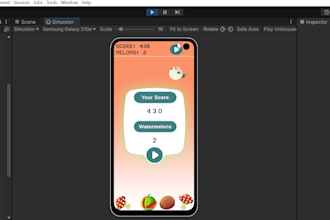
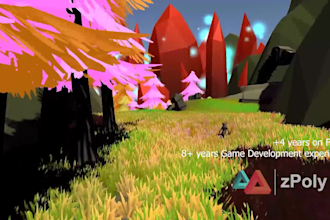
I will be your unity game developer, unity game development 3d
Offers video consultations






















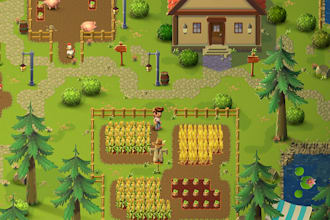



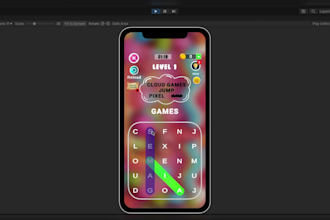

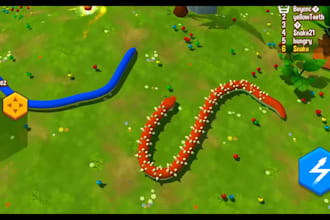



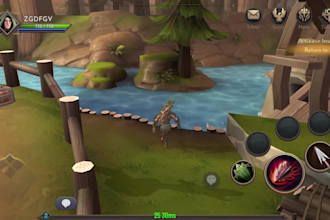
I will professional game developer, unity game development
Offers video consultations


















Game Art and Visual Design
Visual assets form the immediately recognizable identity of your game and significantly impact production budgets. Working with specialists who focus on 3D game creation ensures your game achieves the visual quality players expect in 2026. Character modeling, environment design, UI graphics, and animation work typically represent 30 to 50 percent of total game development budgets for visually rich titles. Many Unity developers collaborate with dedicated artists or provide integrated art services, with character modeling averaging $104 to $251 depending on complexity, and environmental assets ranging from $44 to $62 per set. The visual quality you choose directly affects both development timeline and overall investment, as higher-fidelity graphics require more creation time, larger file sizes requiring optimization, and potentially more complex implementation. Projects targeting premium markets benefit from investing in professional art direction, while casual or hyper-casual games often succeed with simpler, stylized visuals that reduce costs while maintaining appeal.
Game Development Consultation
Strategic consultation services help you make informed decisions before committing substantial resources to full development. Professional game development consultation sessions averaging $92 for fixed-price engagements or $40 to $300 per hour provide expert guidance on technical feasibility, architecture planning, technology stack selection, and project scoping. Early-stage consultation typically reduces overall project costs by identifying potential technical challenges, recommending efficient implementation approaches, preventing costly mid-project pivots, and establishing realistic timelines and budgets. Businesses new to game development particularly benefit from consultation before initiating full production, as experienced consultants provide perspective on market expectations, platform requirements, monetization strategies, and resource allocation. The modest investment in consultation frequently saves multiples of its cost by ensuring projects start with solid foundations and realistic plans.
Mobile Game Development
Mobile platforms represent the largest gaming market segment in 2026, and specialized mobile game development services address the unique requirements of iOS and Android deployment. Mobile-specific development involves touch control implementation, performance optimization for varied device specifications, battery consumption management, app store compliance and submission processes, and mobile-specific monetization integration. While Unity provides cross-platform capabilities, achieving optimal mobile performance requires platform-specific knowledge that specialized mobile developers bring. Mobile optimization work typically adds 15 to 25 percent to base development costs but dramatically improves user experience through faster load times, smoother frame rates, smaller download sizes, and better battery efficiency. Projects targeting mobile audiences should budget specifically for platform optimization, testing across device ranges, and app store preparation to ensure successful launches and positive user reception.
Game Prototyping Services
Dedicated prototyping services averaging $176 for fixed-price work provide rapid iteration on game concepts before committing to full production. Prototyping focuses exclusively on core gameplay mechanics, basic proof-of-concept implementation, technical feasibility validation, and playable demos for testing or pitching. This approach allows you to test multiple concepts at relatively low cost, gather user feedback before substantial investment, identify technical challenges early in development, and refine gameplay before finalizing specifications. Many successful projects begin with prototype phases that cost 10 to 20 percent of eventual full development budgets but provide invaluable direction and validation. Prototyping proves particularly valuable when exploring innovative mechanics, targeting competitive markets where differentiation matters, seeking funding or approval for larger projects, or testing ideas with limited initial budgets.
Ongoing Costs and Hidden Expenses
Beyond initial development investment, successful game projects require ongoing resources that should factor into total budget planning. Understanding these recurring and potential additional costs prevents budget surprises and ensures sustainable project management.
- Platform fees and developer accounts: iOS developer accounts cost $99 annually, Android developer accounts require one-time $25 fees, and console development kits and certification programs involve substantially higher costs ranging from hundreds to thousands annually
- Server and backend infrastructure: Multiplayer games or titles with user accounts require server hosting ranging from $20 to $500+ monthly depending on user base size, database services for user data persistence, CDN costs for asset delivery, and API usage fees for third-party services
- Third-party plugin and asset licenses: Unity Asset Store purchases for specialized functionality typically range from $10 to $200 per asset, some professional plugins require annual licensing fees, middleware for analytics, ads, or special features often involves monthly or revenue-share costs
- Ongoing maintenance and updates: Platform compatibility updates as Unity releases new versions (typically 10 to 30 hours annually), bug fixes following user reports (budget roughly 10 to 15 percent of initial development costs annually), content updates for live games maintaining player engagement
- Marketing and user acquisition: App store optimization and metadata refinement, paid advertising campaigns for visibility, promotional assets and trailers, influencer partnerships or review copies
- Testing and QA for updates: Each significant update requires testing across devices and platforms (typically 10 to 40 hours per major update), certification processes for console updates, beta testing programs and feedback incorporation
Frequently Asked Questions
How much does Unity development cost on Fiverr?
Unity game development on Fiverr spans a wide pricing spectrum reflecting diverse service types and project scopes. Basic services like bug fixes, game modifications, or simple customizations typically range from $60 to $95 for fixed-price packages, making them accessible for maintenance needs or small improvements. Prototyping services average around $176, providing an affordable entry point for validating game concepts or creating proof-of-concept builds. Comprehensive full game creation represents the most substantial investment, with fixed-price packages averaging $234 and hourly projects reaching $1,900 on average. Supporting services complement development work, with character design ranging from $69 to $251, 3D modeling averaging $104, and consultation services at $92 for fixed-price or $40 to $300 hourly. Entry-level packages serve indie developers or simple mobile games, while premium options deliver commercial-quality titles with advanced features, extensive content, and cross-platform support.
What are typical hourly rates for Unity developers?
Unity developer hourly rates vary significantly based on experience level and specialization, ranging from $7 to $120 per hour across the marketplace. Entry-level developers charge approximately $7 to $25 per hour, offering value for straightforward tasks, learning projects, or work with detailed specifications where guidance is available. Mid-level professionals typically command $25 to $57 per hour, delivering efficient implementation of standard features, solid problem-solving abilities, and reliable project execution. Senior developers and specialists charge $50 to $120 per hour, bringing advanced technical expertise, architectural knowledge, and optimization skills that reduce overall project timelines. Hourly pricing appears most commonly in ongoing development relationships, projects with evolving requirements, maintenance retainers, and situations requiring flexible scope. The efficiency gains from experienced developers often offset higher hourly rates through dramatically reduced total hours required, making cost-per-deliverable rather than cost-per-hour the more meaningful metric for budget comparison.
What is typically included in a basic Unity development package?
Basic Unity game development packages typically include core game mechanic implementation, essential UI elements for gameplay interaction, basic placeholder or simple custom assets, single platform build (usually iOS or Android for mobile projects, or Windows for desktop), fundamental testing and bug fixing, and source code delivery with basic documentation. These packages generally suit simple mobile games with 10 to 20 levels, straightforward gameplay loops without complex systems, limited content volume, and single-player experiences without backend requirements. Premium packages expand substantially to include custom 3D models and animations, advanced UI with multiple screens and polished interactions, multiplayer functionality or online leaderboards, cross-platform builds covering multiple deployment targets, backend integration for user accounts or data persistence, comprehensive testing and optimization across devices, app store submission support and metadata preparation, and extended post-launch support periods. The scope difference between basic and premium packages typically reflects 3x to 10x cost variations, with expanded packages delivering commercial-quality products ready for competitive markets versus minimal viable products suitable for testing concepts or serving niche audiences.

Related Guides



About the author
Lior IluzVP R&D
Lior Iluz is a VP of R&D at Fiverr, leading cross-organizational engineering efforts across web and mobile platforms. With over a decade of experience spanning Android development, full-stack engineering, and senior R&D leadership, his background centers on building and scaling distributed, event-driven systems and modern cloud-native architectures. His work focuses on technical strategy, team leadership, and delivering resilient, high-impact products at scale.
